
Browsing: RNA
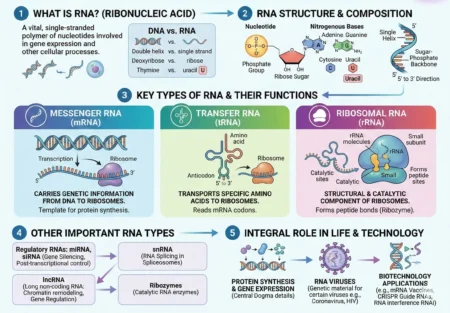
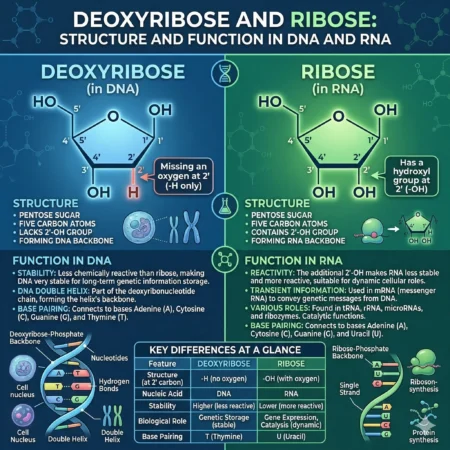
Ribonucleic acid, commonly known as RNA, is a vital molecule involved in the expression of genetic information in living organisms. Unlike DNA, RNA is typically single-stranded and contains the sugar ribose along with the bases adenine, uracil, cytosine, and guanine. It plays a key role in converting the genetic code stored in DNA into proteins, which are essential for the structure and function of cells. Different types of RNA, including messenger RNA, transfer RNA, and ribosomal RNA, work together to ensure that genetic instructions are accurately translated into functional molecules.
RNA is not only important for protein synthesis but also participates in regulating gene expression and cellular activities. In some viruses, RNA itself serves as the genetic material, demonstrating its versatility and importance in biology. Advances in science have revealed that RNA molecules can also have catalytic and regulatory functions, influencing how genes are turned on or off. This expanding understanding of RNA has opened new pathways in research, including the development of RNA-based therapies and vaccines that are transforming modern medicine.